THE BUNBURY JETTY
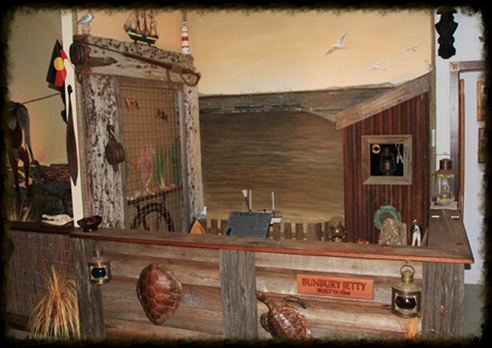
The Bunbury Timber Jetty was orginally built using the convict labour in 1864. It was extended many times to accomadate increased shipping. The last comercial vessel for cargo on the Timber Jetty was in April 1982 when the Inner Harbour was built
The Bunbury Port was used to ship thousands of tons of sandalwood which was floated down the Collie River to the port. Jarrah sleepers were shipped to India for its vast railways network and also to England and other countries.
In 1913 investigations were made into combating Teredo Worms in the Jetty Timbers. Today there is a Preservation Society that is trying to maintain as much of the orignal Timber Jetty as possible.
The Jetty has a special place in the hearts of the locals who used it for swimming and fishing.
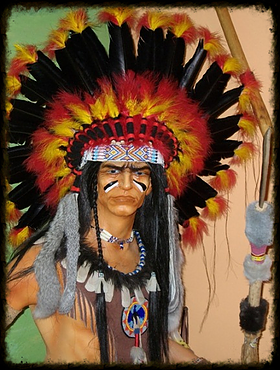
INDIANS – THE NATIVE AMERICANS
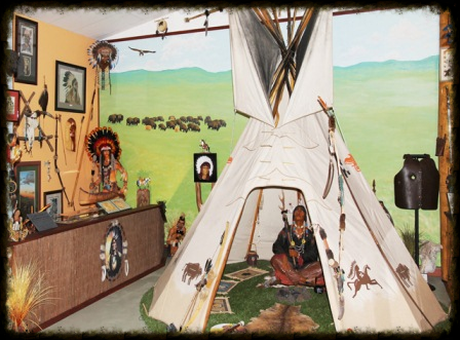
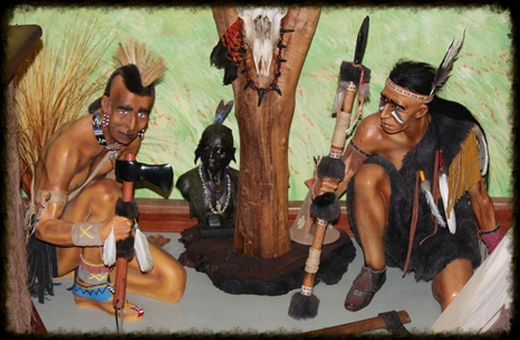
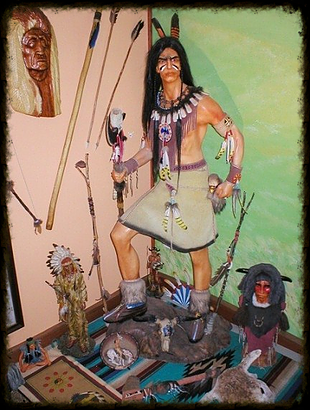
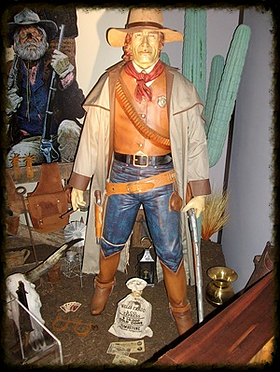
Many tribes of Indians roamed the prairies of America where they hunted buffalo and lived in tipis. The white buffalo was treated as a spiritual beast as they were very rare. Unlike today’s hunters, the Indians used the whole of the buffalo – the meat for eating; the hide for clothing and shelter; and the bones for weapons and decorations – and they only hunted the quantity they needed to survive.
The Great Plains tribes had long relied on the buffalo for their livelihoods, then came the building of the railroads across the Plains and with it a massive increase in buffalo-hunting by white Americans. The Native Americans were unable to prevent buffalo hunters coming in the thousands to shoot the seemingly limitless herds. In the south, over 4 million buffalo were shot between 1872 and 1874. In the North, the buffalo herd was destroyed by the early 1880’s.
From the 1830’s the whites tried to move the Indians to reservations because they wanted more land to settle on and more areas that were rich in gold. They made many treaties with the various tribes but each blamed the other for breaking their promises.

NOONGARS
EARLY INHABITANTS OF AUSTRALIA
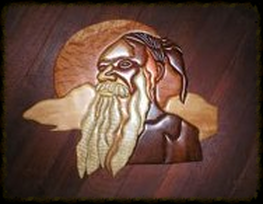
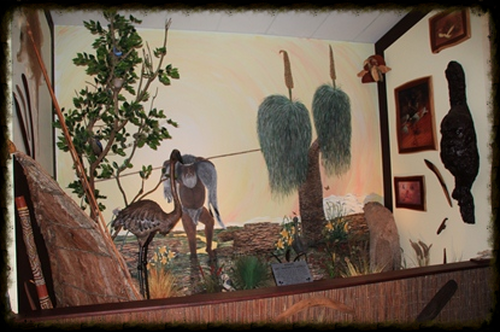
The local indigenous people are called Noongar and they have lived in Southwest WA for over 40,000 years. They were also known as the Bibbulmun people and lived West of the Song Line that runs from just South of Geraldton to West of Esperance. Noongar is the Bibbulmun word for Man.
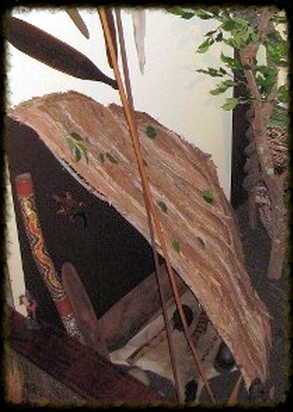
The Waagle, or Rainbow Serpent, is central to Noongar culture. The Rainbow Serpent gave life and sustenance to the people who in return became the caretakers of the land. The Aboriginals made shelters, called mia-mia, which were made from paperbark stripped from trees. They would hunt for kangaroo, emu, lizards and other wildlife with their spears and boomerangs and camp near a billabong.

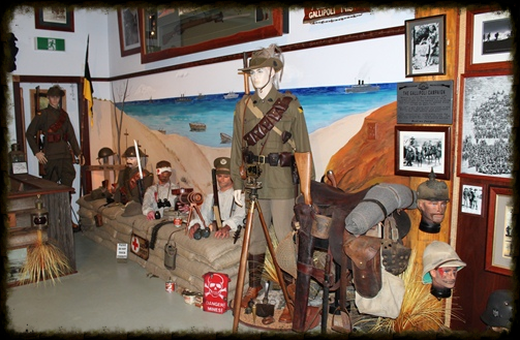
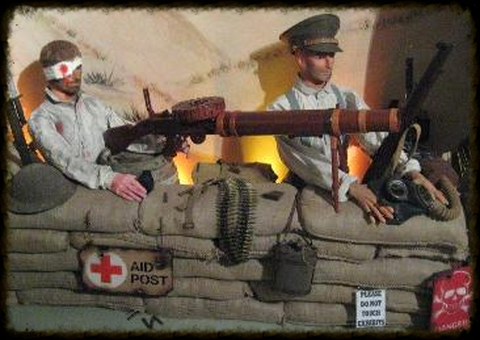
THE GALLIPOLI CAMPAIGN
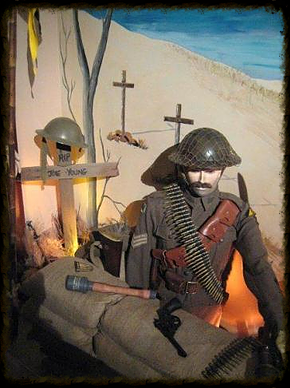
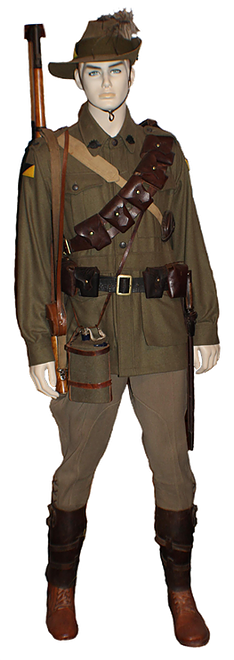
Members of the West Australian 10th Light Horse were recruited in 1914. They were part of the ANZAC Force being the first troops to land on ANZAC Cove on the 25 April 1915.
The 10th Light Horse was involved in the Battle
of the Nek which was portrayed in the 1981
movie ‘Gallipoli’.
The casualties on both sides from the Gallipoli
Campaign totalled 392,338. The war was
fought over an 8 month period.
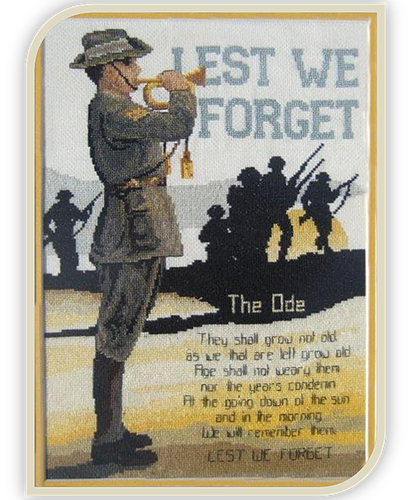
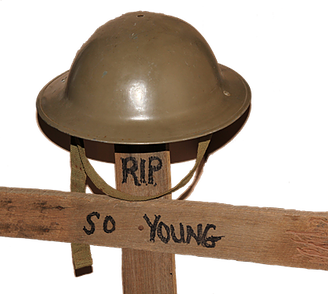
“Lest We Forget”
NED KELLY ARMOUR PHOTO
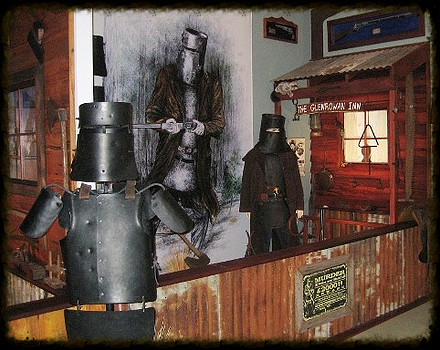
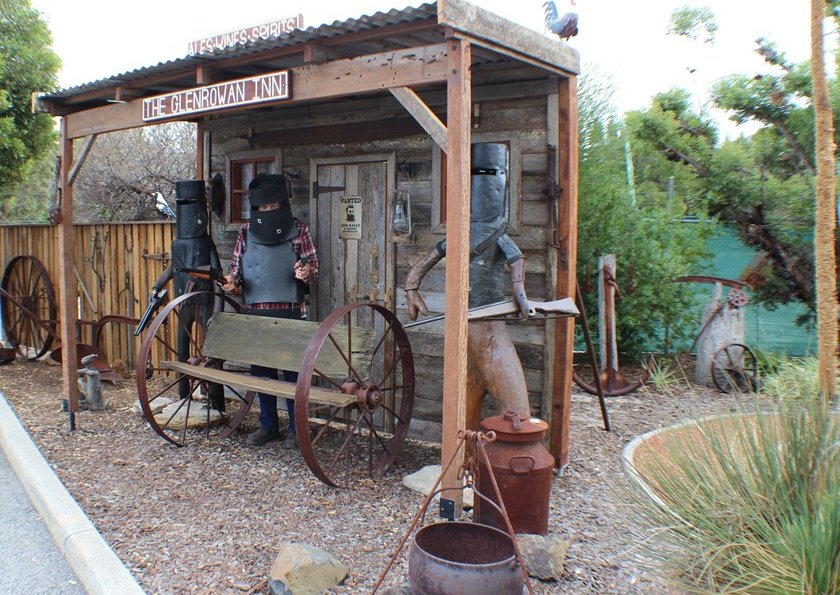
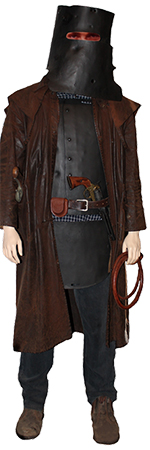
Have a great laugh and an unforgettable souvenir with our replica Ned Kelly Armour photo shoot!
Dress yourself in our Ned Kelly armour, you will be assisted by our staff, until the costume is looking perfect.
At our museum you can seat yourself in the typical Glenrowan Inn scene.
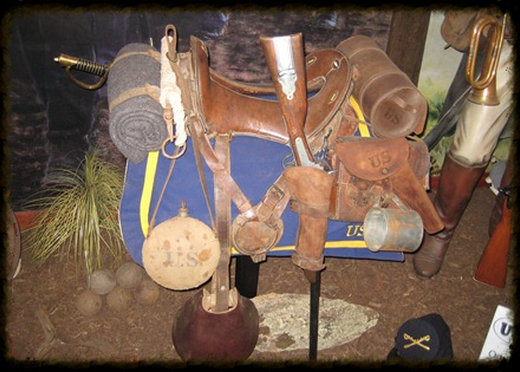
AMERICAN CIVIL WAR 1861-1865
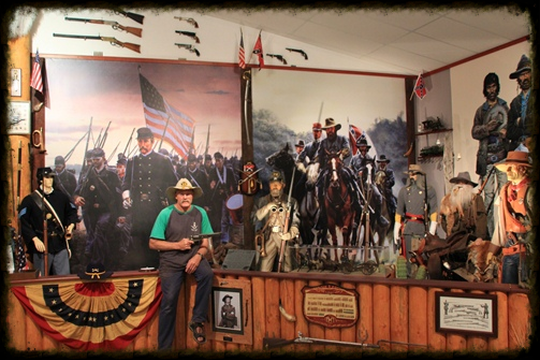
American fought against American! On one side were the forces of the North, or Union. They represented the 23 Northern states of the elected government. On the other side were the forces of the South, or Confederacy, who fought for the 11 Southern states. These rebel states had broken away from the Union and elected their own president.
The South had a population of about 9 million people. Of these, more than 3 million were black slaves. The North found volunteers for its army in a much larger population of more than 21 million.
The President of the Union, Abraham Lincoln, and the President of the Confederacy, Jefferson Davis, were both born in Kentucky.
Confederate forces first opened fire at Fort Sumter, Charleston, on 12 April, 1861. Four years later the main Confederate forces under General Robert E Lee surrendered at Appomattox on 9 April, 1865. The last Confederates to surrender did so on 26 May. During this time there were over 10,000 engagements.
During the Civil War, 620,000 men lost their lives, of these 60% died from disease.
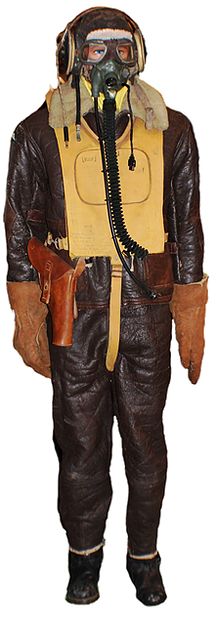
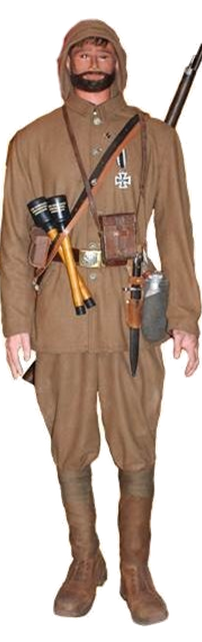
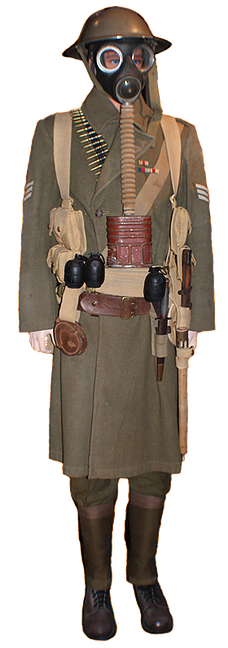
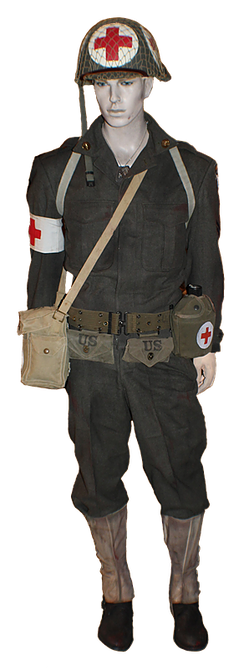
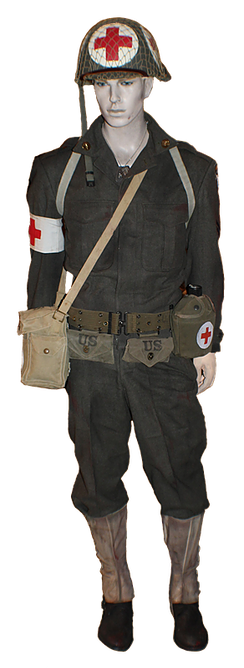
World War 1 & 2 Uniforms
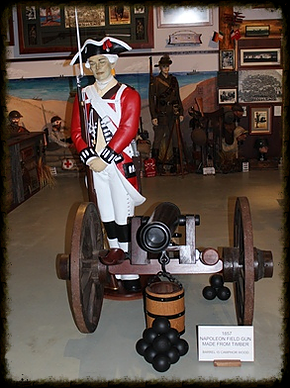
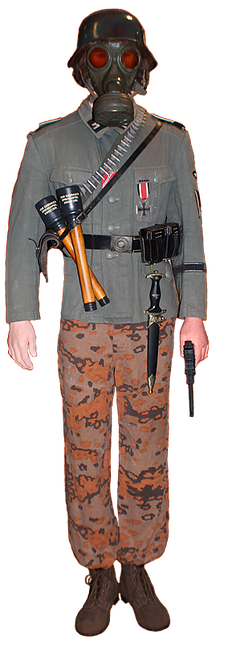
From the West Australian 10th Light Horse Uniform and Weapons used in the Gallipoli Campaign through to the British RAAF Bomber Command Pilot and Co Pilot Flying Suit. These flying suits were used during the Avro Lancaster Bombing raids over Germany in the later years of WW2 and many more!
NED KELLY – AN AUSTRALIAN BUSHRANGER
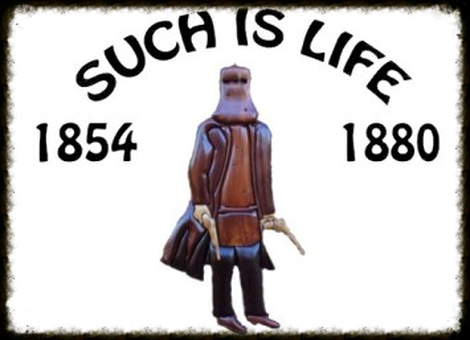
Ned Kelly was born in Victoria in 1854 (his birth was not registered until 1855) just after the Eureka Stockade. Maybe this set the tone for his short turbulent life. Ned, along with his brother Dan, Steve Hart and Joe Byrne made up the Kelly Gang.
In February 1879 a reward of ₤8,000 was posted for the Kelly Gang, dead or alive. This was the biggest reward offered for a criminal at that time in all countries of the Commonwealth. Over 90 people were incarcerated by the Australian Government for association and the belief of withholding information about Ned Kelly and his gang. Ned Kelly used money he stole to pay mortgages and debts of those imprisoned.
The Kelly Gang ended up in a stand off with the Police at the Glenrowan Inn. All four in the gang wore steel armour which weighed a huge 50 kilograms!!! (No wonder they couldn’t run away.) Dan, Steve and Joe were all killed at the Inn but Ned was captured and taken to Melbourne to stand trial and eventually sent to the gallows at the Old Melbourne Gaol in November 1880. His now famous last words were believed to be “Such is Life”.